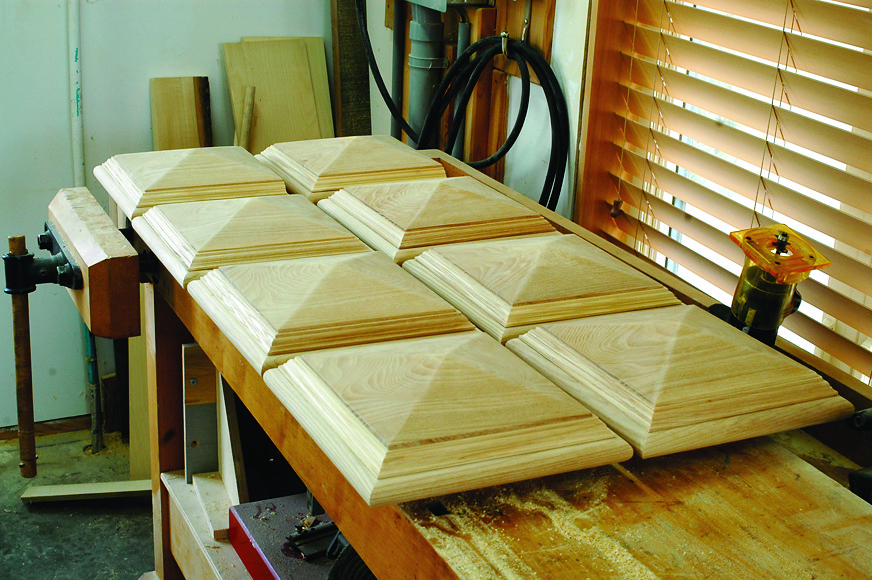
A trimming router is a miniature router that can be used for various tasks, including edge trimming. These devices can also be used for drilling holes or creating signs. They may not be able accept bits smaller than their baseplate. In these instances, a router bit larger than its baseplate might not be needed. This article will provide an overview of different uses for a trimming router. This article will help to determine the best type of router to suit your needs.
Trim routers, which are miniature versions regular routers, can be used to make small adjustments.
There are two types to trim routers: straight or plunge. Both are good for light-duty work. However, plunge routers are more heavy than trim routers. They require two hands to operate. The motor of the plunger router is powerful enough to maneuver through heavier materials. The motor in the plunge router is much more powerful than those found in trim routers. Plunge routers can be more difficult to use than trim routers, so they are usually more expensive.
They can handle a small profile bit for edge trimming
There are two main types of trim bits: double and single rounding. A single rounding of bits creates a small profile. Double rounding of bits cuts the top edge and bottom simultaneously. A single rounding of bits preserves the finished project. Double rounding of bits creates a decorative edge. Double rounding over bits is more expensive than single rounding, so make sure you choose the best one for your project.
They can be used as drill bits
The footprint of trimming routers is small, which makes them great for smaller boxes and narrow apron sizes. The router has a cutting edge equipped with a solid-carbide polishing bit. They can also drill holes. It is easy to drill holes in veneer surfaces using a template. You can use the router's 1/4 inch up-cutting spiral blade to drill a hole if you don't have a template.
They can be used in signs
There are many different materials you can use to create your own custom signage. You can use different types of paper to create your signage. For example, you can use glossy photo paper to create a sign with a professional look. Photo paper is versatile and can be used to print different kinds of photos. This material can adhere to many surfaces, making it easy to use as signage. However, you need to be careful about the type of material that you choose, as it tends to warp if exposed to harsh temperatures.
They can be used to make mortises
Woodworking routers can be useful for making mortises. This tool has a number of functions, including making mortises, tenons, and other types of cuts. You can make any shape with this tool by using a template. For example, a piece of furniture may have round corners on the top and bottom, an ornamental cut on the bottom, and an inverted "D" shape at the top. In such cases, you can draw a straight line along the top edge of the furniture and cut short sections on each end of the "D".
These can be used for creating grooves
Routers are handheld machines that use bits to cut grooves. You can use different router bits for different purposes. You can purchase router bits individually or in sets at hardware shops. You can select the option you prefer by using the menu located at the top. These are the most common ways you can use a router.
These can be used for chamfers
Chamfers are beveled surfaces created by adding or subtracting flat areas from the edges of a shape. This process is applied to either a single edge or multiple edges. First select an edge you want to chamfer. Then, specify the offset distance. You can then specify the distance and angle between them. SolidFace allows you to chamfer edges by pointing at a straight line or reference point. You can then see the chamfer before you start to machine the part.
They can be used in trimming laminate edges
You can use PVA glue or a suitable contact adhesive to trim the edges of the laminate board. You can remove old glue residue with rubbing alcohol, or a damp paper towel. Then, apply the new glue to the laminate board using long, smooth strokes. The glue will harden over twenty minutes and then form beads. Then, carefully lift the laminate onto its new place. Repeat the process if necessary, making sure to use the same amount of glue on both the edge and back.
FAQ
What are the basics of woodworking?
A great way to start learning how to build furniture is by building a simple bench for yourself. You can use any wood you have in your home to complete this project. You don't need to know which type of wood you should use. Instead, get some pine boards at Lowes or Home Depot. Once you have built your bench, you will need to sand it off and then finish it with a stain/varnish.
What kind wood should I use for my project?
The most commonly used woods for woodworking are oak, maple, cherry. Each type of wood has unique characteristics that affect the look and feel of the final product. Oak, for example, tends be darker and more hard than other woods. Birch, which is lighter and soft, is more heavy than mahogany. You can also choose between solid wood and veneers. Veneers are thin sheets or wood that are glued together into one layer.
Do you have any advice on how to start a woodworking business.
It's not easy to start your own woodworking business. It's worth it if you're passionate and willing to work hard. You will probably love the challenge of starting your own business.
One thing to keep in mind when launching a new venture is that you might encounter unexpected problems along the way. Unexpectedly, money might run out. Perhaps customers won't pay you as much as you had hoped. Preparedness is key to survival in such situations.
One tip is to have a separate banking account for your company. You'll be able to track how much money comes in and out.
Which wooden items are very popular?
These wooden products are the most popular. They were made from sustainably harvested wood.
The most popular types of wood for furniture include oak, maple, cherry, mahogany, walnut, and teak.
These woods have beautiful grain patterns and colors. They are also very strong. They can also last for years if they are properly cared for.
To protect wood furniture from moisture damage, it should be painted first. This applies to all surfaces, even drawers and doors.
Choose a paint with water resistance if you want furniture to last as long possible.
Use a high-quality, oil-based primer and two coats of topcoat. You may need to apply several coats of top coat depending on how much wear it is expected.
Spray cans or aerosol paints should be avoided. These products have solvents that evaporate quickly, leaving behind dangerous fumes.
Statistics
- In 2014, there were just over 237,000 jobs for all woodworkers, with other wood product manufacturing employing 23 percent; wood kitchen cabinets and countertop manufacturing employing 21 percent. (theartcareerproject.com)
- The U.S. Bureau of Labor Statistics (BLS) estimates that the number of jobs for woodworkers will decline by 4% between 2019 and 2029. (indeed.com)
- Most woodworkers agree that lumber moisture needs to be under 10% for building furniture. (woodandshop.com)
- If your lumber isn't as dry as you would like when you purchase it (over 22% in Glen Huey's opinion…probably over 10-15% in my opinion), then it's a good idea to let it acclimate to your workshop for a couple of weeks. (woodandshop.com)
External Links
How To
How to stain hardwood
The process of staining wood involves the application of chemicals to the wood's surface, which causes it to change its color. This chemical reaction causes the wood to change from white to brownish red. While oak is the most widely used type of wood for staining purposes, other types of wood are also available.
There are many methods to apply stain to wood surfaces. One method involves mixing the stain and a solvent and then spraying it on the wood. Other methods use a solution of water and dye applied directly to the wood. You can also mix stains with varnishes or paints so that they become part the finish coating.
Preparing your wood for staining is the first thing to do. Clean the wood to get rid of any grease, dirt or other substances that might be detrimental to the stain's application. Sanding smoothens scratches and rough spots. The next step is to choose the stain type you want. There are two main types of stain: non-penetrating and penetrating. Penetrating stain penetrates deeper into wood than nonpenetrating, making them suitable for dark colors like mahogany. Light colors such as maple work well with non-penetrating stain.
You will need to decide on the type of stain you want to use, and then prepare your tools. A paintbrush works well for applying stains because it allows you to spread the liquid evenly across the surface. You should also have some handy rags to wipe up excess stains after you finish painting. You should have enough containers to store the various components of the stain mixture if you intend to mix it yourself.
Once you have prepared your materials, start by cleaning the area where you plan to stain the wood. To remove dirt and dust, use warm water and soap. Use a dampened sponge and warm water to clean the entire piece. If you intend to stain darker wood, make sure you get rid of any debris.
The stain should be applied next. Start at one end of the piece of furniture and brush or spray the stain onto the wood. You should work slowly and carefully. Continue moving along the grain until you reach your opposite end. Keep the stain from dripping off the wood's surface. Allow the stain to dry completely before you move on to the next step.
Apply a clear polyurethane sealant to protect the painted surface. Apply three coats with polyurethane. Allow the third coat to dry overnight, before sanding.