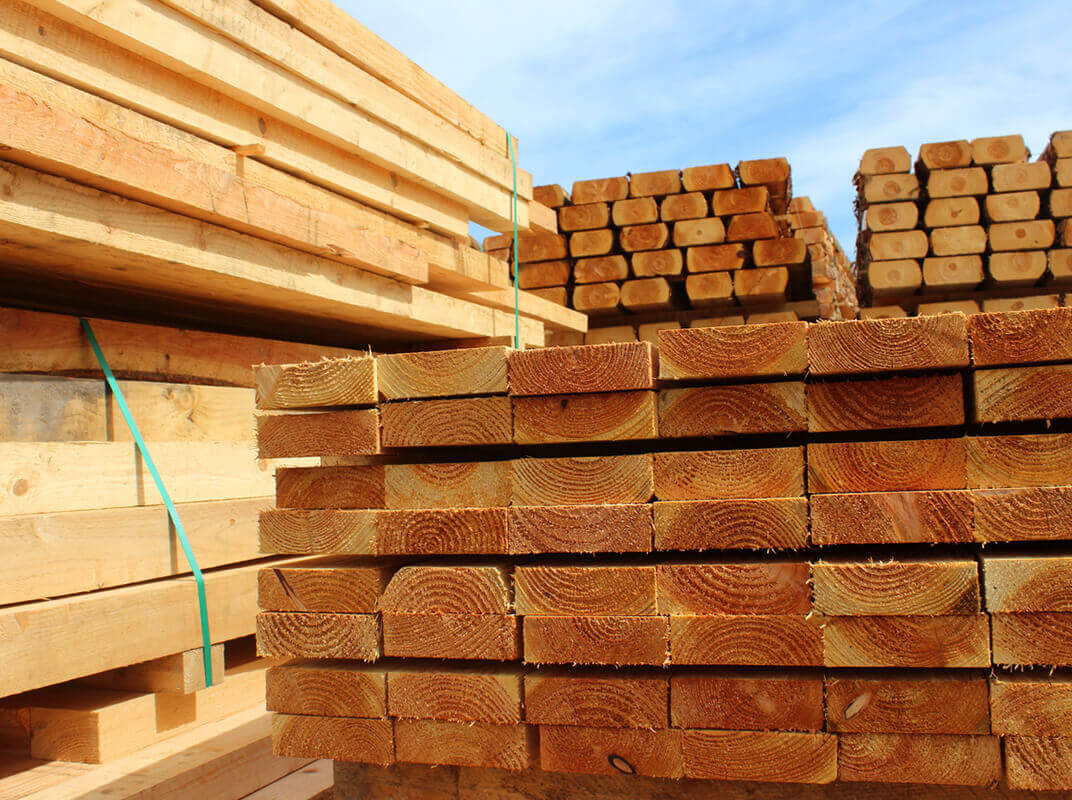
How can you price woodworking projects correctly? How do I determine the labor and material costs? How can you price projects for small-scale or one-off items? Here are some tips to help get you started. This article should help you to price your own woodworking projects. Remember that woodworking projects often require secondary materials. These tips will assist you in determining what you charge customers for the materials and labor you use.
Materials cost
Although you might have heard of the various types of woodworking tools and materials, it can be difficult to estimate how much one project will cost. Most woodworkers refer to any type of tool as "file", but they use it to mean anything. A rough-sawn woodworking board is one of the most important supplies. This must be milled by beginners to ensure that it is flat and straight. The price of woodworking tools like thicknessers and surface planes can vary from $6 to $50.
Cost of labour
The cost of labour is a common question among prospects in woodworking. A typical woodworking project may require 4 elements. Depending on the type of wood, the cost of woodwork could range between 350 and 800 psf. A handmade carcass will cost between 25-30% and 30% less than a factory-made. You can use a small number of materials to keep your costs down.
Materials cost for one-off items
There are many ways to reduce the cost of one-off woodwork pieces, whether you're making furniture or gifts. This can be done in a variety of ways, including using secondary woods. For drawer boxes, cabinet backs and dust frames, you can use less-expensive wood species. Poplar can be used for cabinet backs, dust frames and drawer boxes. It is also less expensive but will not compromise functionality or endurance.
Small-scale projects require labor at a high cost.
First, determine the demographics and income of your target market to determine the cost labor for a small-scale timberworking project. These include age and gender as well as the average income, preferred source of income, and popular interests. These details will allow you to strike the right balance between profiting and selling. Higher-priced products will also have a higher profit margin.
Material costs for large-scale jobs
The cost of wood and board materials is only one part. You also have to consider miscellaneous fees. These costs account for around 25% to 25% of project total cost. For this reason, it is best to price your projects at least a few percent higher than their actual costs. To figure out the actual cost of the materials for large-scale woodworking projects, you will have to use both methods.
FAQ
Is it possible to open my own woodworking shop?
Starting your own woodworking business isn't easy. There are lots of legal requirements and regulations that you'll need to follow. However, it doesn't necessarily mean you must go through all the hassle of setting up a business. Many people decide to join established businesses. You only need to pay membership and tax fees.
What material would your recommendation be to learn woodworking?
Start off with softwood like pine and poplar. These two are the easiest to master, then you can transition to hardwood.
Do you have the skills to learn woodworking?
You can learn everything best by doing. Woodworking requires patience, practice and skill. Every craft takes practice and patience.
To actually learn something is the best way. Start small and use what you learn.
How often should new supplies be purchased?
Some tools will need to be replaced over time. Sharpening hand tools is a must. And if you're using power tools, you'll need replacement parts periodically. To avoid buying too much at once, try to spread your purchases out over a few months.
How long does it take for furniture to be finished?
It depends on the wood type you choose, the complexity and the amount you apply to the finished product. Hardwoods, for example, require more maintenance than softwoods. Hardwoods are also more expensive than softwoods. They last longer and are more resistant to moisture. The typical time taken to finish a piece furniture takes anywhere from one to three month.
How much should a hobbyist invest to get started?
If you're looking to start your own woodworking business, you'll probably need some capital to buy the necessary tools and supplies. A good place to start would be by buying a small table saw, drill press, circular saw, jigsaw, and sanding machine. These items won't break the budget and aren't expensive.
Do you have any other information I should know about woodworking and/or the process of making it?
It's easy to underestimate the amount of work involved in making furniture. Finding the right kind of wood is the most difficult part. It can be hard to choose from the many types of wood that are available.
The problem with wood is that not all wood properties are the same. Some woods will warp over time, others will split or crack. Before purchasing wood, you should consider these factors.
Statistics
- In 2014, there were just over 237,000 jobs for all woodworkers, with other wood product manufacturing employing 23 percent; wood kitchen cabinets and countertop manufacturing employing 21 percent. (theartcareerproject.com)
- Most woodworkers agree that lumber moisture needs to be under 10% for building furniture. (woodandshop.com)
- Overall employment of woodworkers is projected to grow 8 percent from 2020 to 2030, about as fast as the average for all occupations. (bls.gov)
- Average lumber prices rose about 600 percent between April 2020 and May 2021. (familyhandyman.com)
External Links
How To
Here are some tips on how to drive nails in wood
To drive a nail into wood, the first step is to select the right size and type hammer. There are many types of hammers that you will find: claw hammers and sledgehammers; mallets; ball peen hammers; and hatchets. Each type has its strengths and weaknesses. A claw hammer works well when you're trying to hit nails with a heavy hammer. However it is difficult to precisely control where the blow hits. A sledgehammer is useful for striking large areas at once but too heavy to be effective for smaller tasks.
After selecting the right hammer, you will need to place your hand flat against one side of the head. The handle should rest comfortably in your hands. Grab the handle tightly, but do not squeeze too hard. The hammer should be held straight up with your wrist relaxed. Then swing the hammer back toward the ground, aiming for the center of the nail. You should feel the impact of the hammer striking the nail. Practice swinging your hammer on a block of wooden until you feel comfortable.
You can now drive the nail by holding the hammer to your body. The nail should be perpendicular to wood's surface. Keep your eyes on the tip. Move the hammer forward and then continue to move the hammerhead. Keep doing this until you are comfortable with the swing. Once you've mastered the technique, try adding power to your swings. Try holding the hammer above your shoulder and bring it down forcefully. This way, you'll be able to put more energy behind your blows.
Once you have made the first hole, remove your hammer. To remove the remainder of the nails, you can use a screwdriver/pry bar. To avoid splitting the wood, make sure the nail heads are not touching the board's surface.